Do HDMI Cables Have Different Speeds?
Most modern AV systems include some type of HDMI component or connection. HDMI cables might end up being some of the most essential parts of your…



The audio-visual medium is crucial in so many professional fields. This is especially true with increased business globalization and remote work. However, it is beneficial even for those working in the same office or building as AV systems are integral to disseminate information to employees, provide education and training, and ultimately to operate a business. AV scaling is integral to ensuring this can be a success. You may wonder, what is AV scaling? Below you will find more information on the details and benefits of the technology.
An audio-visual scaler is a multifunctional device. It samples an input signal and scales it up or down to a resolution and timing that works for the display it is connected to. A scaler that downscales videos specifically is referred to as a “scan converter.” In addition to scaling the resolution and timing, an AV scaler can also convert the signal into a different format.
If you need to connect different analog and digital equipment for output on a common display, scalers are highly beneficial. In fact, they are particularly useful in an environment that requires presentations. The device is helpful for those who do not want to have to adjust the controls to improve the look of the projected image. AV scaling is highly beneficial as you only need to match the output resolution and the native resolution of the connected display.
AV scalers that support switching can do even more. In fact, they enable you to electronically switch the video inputs. This then allows the device itself to automatically make the necessary adjustments. This is helpful in fast-paced environments as it is quick and efficient. Consider this if you work in a large office or business that regularly utilizes AV technology.
Scaling generally involves upconverting the signal. The upconverting process involves the mapping and adjustment of display pixels. This ensures that the display pixels accurately match the resolution of the newer display. In addition, deinterlacing technology with advanced motion compensation can further improve the display image. The technology intelligently scales the source signal to your desired resolution without any distortion or artifacts. Scalers can also perform frame rate adjustments. This ensures that the proportion of the image isn’t incorrectly resized.
As compared to alternative options, AV scaling offers a number of significant benefits.
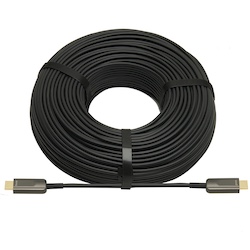
Most modern AV systems include some type of HDMI component or connection. HDMI cables might end up being some of the most essential parts of your…
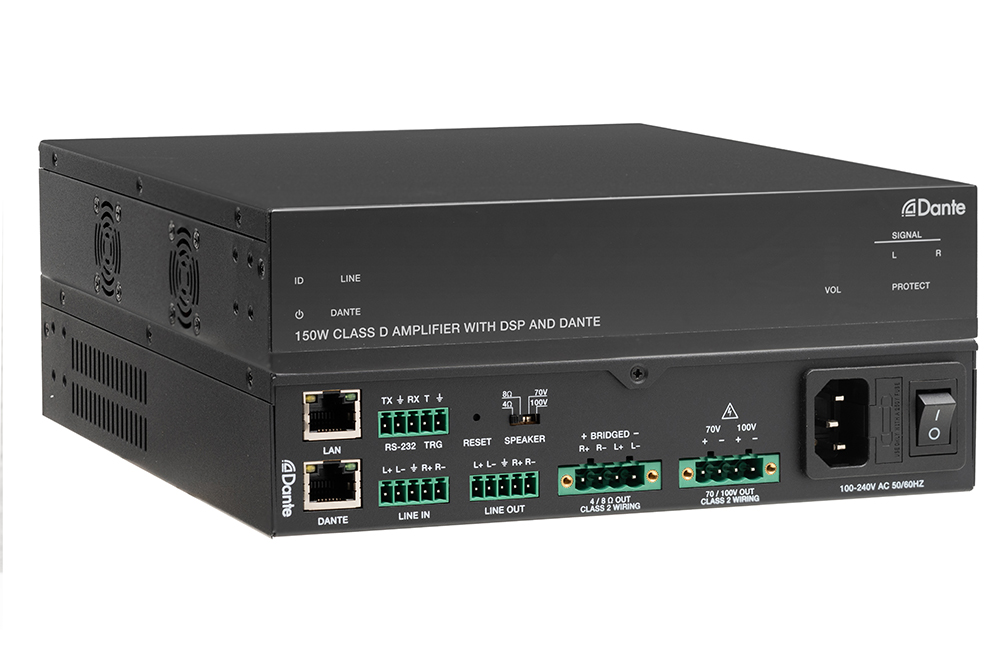
Looking to set up a professional-quality sound studio where you can record, edit, and listen to crisp audio that you created yourself? Do you finally…
With the boom of social media, podcasting, and online content production, sound quality is highly important. Annoying background noise, poor quality…
KanexPro sells direct to dealers, resellers, installers and integrators, and through distribution. Whichever way you buy, the same engineers answer the phone.
The trade store: your own account, live stock, reordering, and a first look at new products.
Go to the trade store →Distribution and authorised resellers across the US and beyond.
See where to buy →Design help on extenders, matrix and AV over IP before you spec it.
Ask an engineer →