How Does HDMI Audio Work?
Whether you are first setting up your new AV systems or you are looking to make the switch to HDMI, you might be interested in learning more about…



New TV sets can be set up with 1080p resolution or 4K resolution. Those in the market for a new television may feel overwhelmed by the array of audio-visual systems available to them at the store. When it comes down to it, customers often find themselves having to pick between a 4K screen or a 1080p TV.
The big question is about 4K vs. 1080p: What's the difference? Are additional products such as the 4K HDMI extender able to increase the resolution of your TV? Let's look at the different resolution options and see what they all mean.
The number of pixels in a frame is the video resolution. The higher resolution you choose, the more detailed your video will be and the more realistic it will appear. Video resolution refers to the measurement of how many pixels are in 16:9 (the standard aspect ratio for television and computer monitors).
It should be noted that both 1080p and 4k refer to the number of pixels in the resolution. 1080p is the vertical number of pixels that run across the screen, counting 1080 in total. 4K refers to the number of pixels going horizontally, of which there are 4000.
In total, in the 16/9 aspect ratio:
4k video has more than 8 million pixels, whereas 1080p only has 2 million pixels. This allows for finer rendering of feathers and hair, as well as greater quality when viewing the footage close up.
4K is clearly better than 1080P for picture quality. There are many reasons. These factors include the fact that 4K can render extra fine detail and you can see it when you are closer to the screen. From a production standpoint, the ability to scale the recording down to regular HD while still maintaining the high contrast and highly detailed quality of the original - especially when viewed up-close.
These are the top three reasons why 4K video is better than 1080P:
The 4K resolution is a significant increase in resolution compared to 1080P. This allows viewers to enjoy a clearer image while being closer to large screens. A 4K TV can be viewed at twice the distance of a regular TV. This is because 4K can be enjoyed at its best when you are closer to the TV. Sitting further back will often result in less enjoyment, although you still have access to its incredible clarity regardless of distance.
Ultra High Definition televisions with 4K technology can reproduce the most intricate details in a noticeable higher contrast manner than 1080P. This is due to quadruple the pixels compared to 1080P. This is the most important advantage of the 4K video.
Sometimes, a recording may need to be reduced to a lower resolution. If the recording is 4K, it may be necessary to scale down to 2K high-resolution output. When comparing the 4K video with the 2K footage, it is evident that the video quality has improved.
It can be difficult to determine the best resolution TV for you. Before you make your decision, it is important to determine your budget and your preferences. Other devices and products that can improve the quality of your audio visual systems should be considered as well. Get in touch with our Kanex Pro experts today to get all of your questions answered about your screen resolution needs.
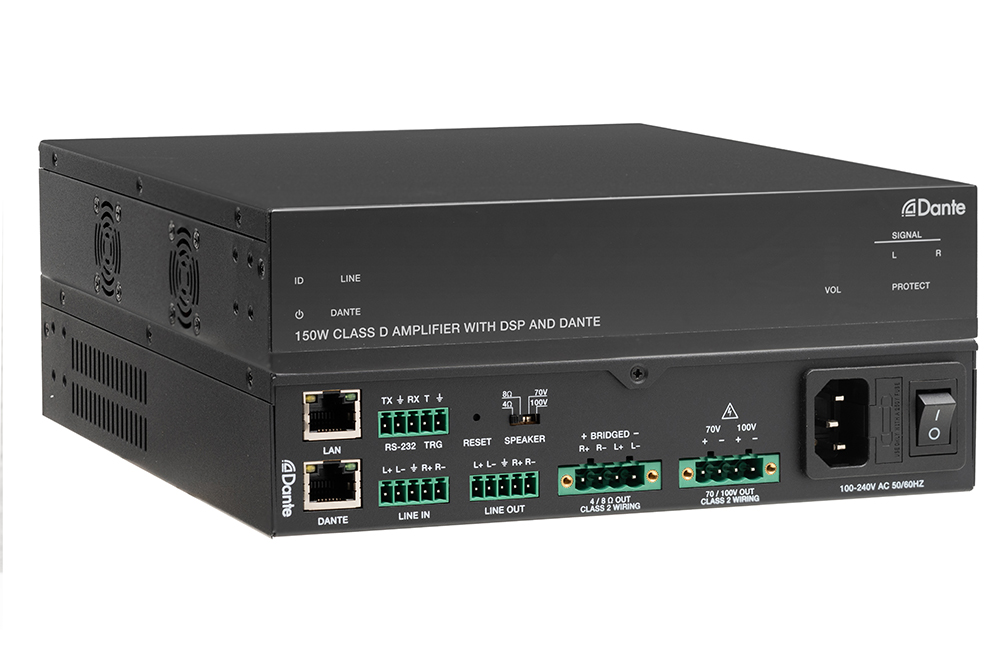
Whether you are first setting up your new AV systems or you are looking to make the switch to HDMI, you might be interested in learning more about…
When you are setting up a complex sound or AV system, you don’t want to compromise quality and access. Advances solutions like HDMI matrix systems…

Video quality can often make or break your entertainment experience. The quality of video depends on a number of factors, including the number of…
KanexPro sells direct to dealers, resellers, installers and integrators, and through distribution. Whichever way you buy, the same engineers answer the phone.
The trade store: your own account, live stock, reordering, and a first look at new products.
Go to the trade store →Distribution and authorised resellers across the US and beyond.
See where to buy →Design help on extenders, matrix and AV over IP before you spec it.
Ask an engineer →