Feed a soundbar and an amplifier from one eARC adapter, not two
When one TV eARC port has to feed a soundbar and an amplifier, spec one adapter with both HDMI audio outputs instead of chaining two extractors.



Serial Digital Interface (also referred to as “SDI”) is a digital video transmission standard. It is widely used in professional production settings as it can transmit high-quality, uncompressed video signals. SDI is highly effective as it allows for the transfer of high-definition and ultra-high-definition video signals, in addition to various resolutions and frame rates. Because SDI is often discussed in the context of video transmission, you may wonder, does SDI carry audio? Below you will find more information about SDI and the benefits of fiber optic SDI extenders.
SDI is a standard for transmitting digital video signals over coaxial cable. A coaxial cable is built with a copper shield that is effective in blocking signal interference. Just like coaxial cables, SDI cables are widely used in the broadcast and professional video production industries. This is because it is effective in transferring high-quality, uncompressed digital video signals between various devices. The benefits of SDI cables are major as the technology can carry video signals without interference, or any other signal quality issues. This is why it is an ideal choice for television production and other live events.
SDI is well known for supporting video signals. In fact, it can support different video resolutions and frame rates, including 1080i and 720p. In addition, it can also transport high-definition and ultra-high-definition formats. But, can SDI also carry audio? SDI can carry embedded audio signals along with the video signal. This means that SDI can transmit both video and audio signals over a single cable. This is one of the major benefits of the technology and why it is a popular choice for professional video production applications.
SDI and SDI extenders are two different technologies used in video and audio signal transmission. As previously discussed, SDI is used to transmit uncompressed video and audio signals over a coaxial cable. However, SDI extenders are devices used to extend the reach of a video or audio signal. They operate by enabling the video and audio to travel longer distances without losing any quality. Depending on your application, you may or may not need an SDI extender. If you need to transmit an SDI signal over a longer distance than the SDI cable is capable of, consider your options for fiber optic SDI extenders. They can boost the signal and extend the reach of your audio and visual signals.
If you need an SDI extender for your application, consider a fiber optic SDI extender. It offers a number of benefits as compared to other types, specifically copper.
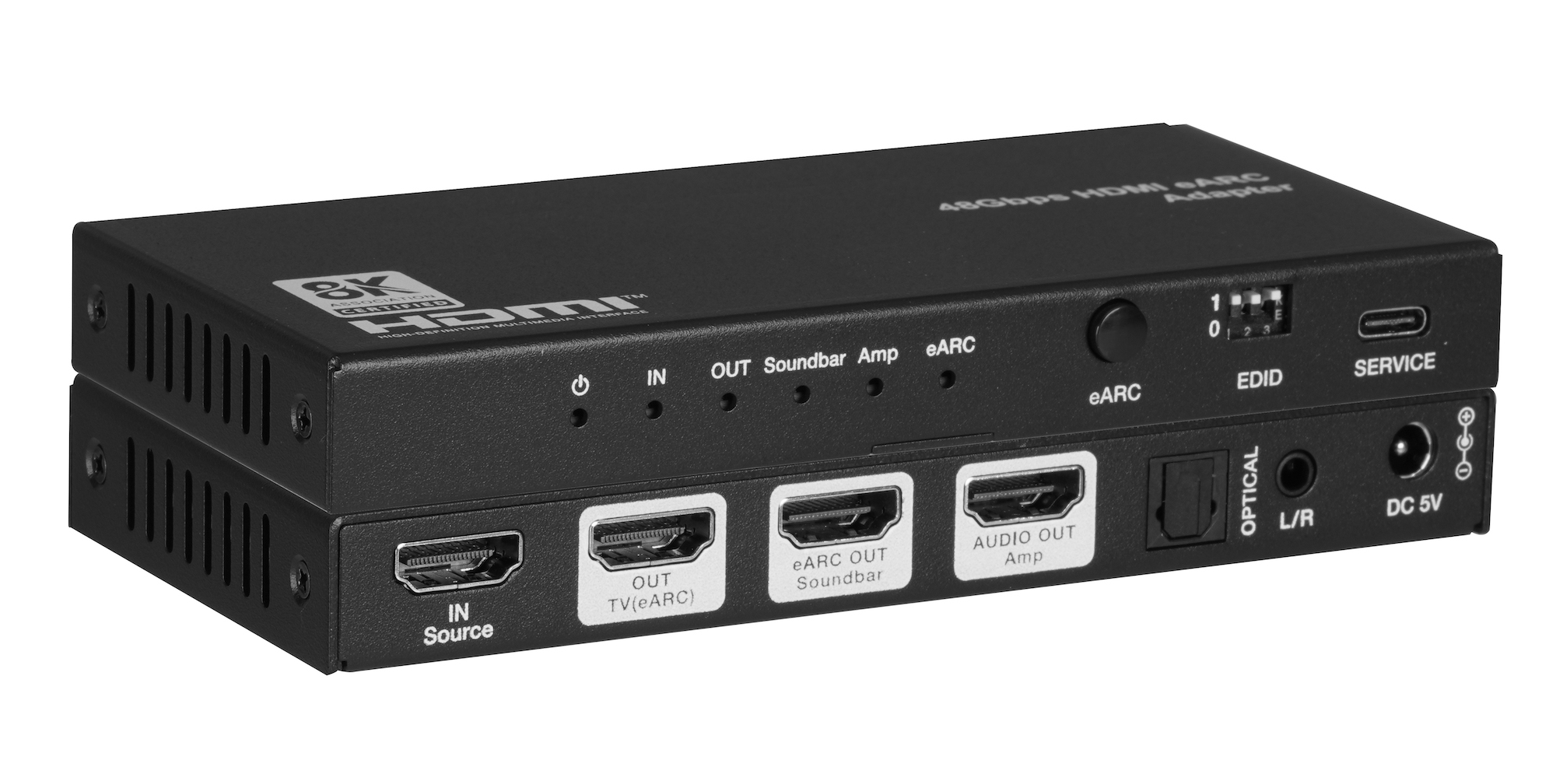
When one TV eARC port has to feed a soundbar and an amplifier, spec one adapter with both HDMI audio outputs instead of chaining two extractors.
In today's world of high-definition television and audio systems that work in more than one room, it's important to make sure the signal is…
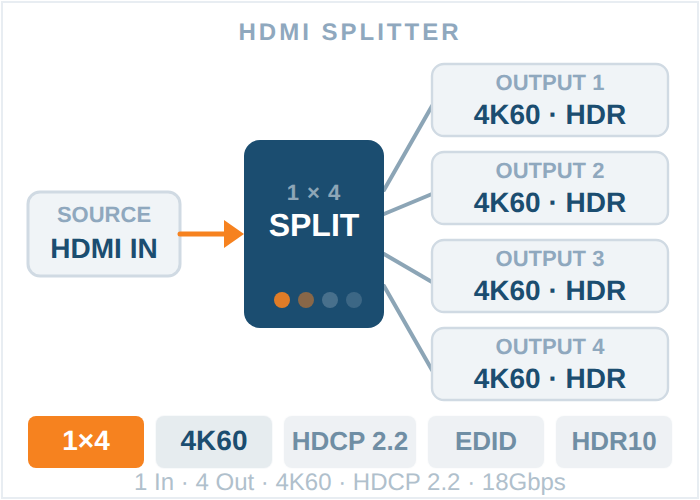
An HDMI distribution amplifier (DA) sends one HDMI input to several displays at once. How it differs from a splitter, and how to choose one.
KanexPro sells direct to dealers, resellers, installers and integrators, and through distribution. Whichever way you buy, the same engineers answer the phone.
The trade store: your own account, live stock, reordering, and a first look at new products.
Go to the trade store →Distribution and authorised resellers across the US and beyond.
See where to buy →Design help on extenders, matrix and AV over IP before you spec it.
Ask an engineer →