HDMI Distribution System Design: Splitters, Matrices, Scalers and Dante
Specifying an HDMI Distribution System: Splitters, Matrices, Scaling Switchers and Dante Audio Short answer: Choose the device by the shape of the…



The type of cable you use can significantly impact your viewing experience. Two common cable options include component and composite cables. Both connect video sources to displays for optimal viewing. While they are similar, they have uniquely different purposes and provide varying levels of video quality. Below, you will find the differences between component versus composite cables for video.
Component and composite cables may seem similar as they both transmit video signals. However, their technology and performance differ. Below, you will find the similarities and differences between component and composite cables.
There are three similarities between component and composite cables.
There are a number of notable differences between component and composite cables. Consider the following to ensure your needs are properly met.
Component cables have three separate video cables. They are color-coded and responsible for transmitting the video signal. Each one of the three cables carries a separate portion of the video image. They offer superior video quality and are able to transmit high-definition signals.
Alternatively, composite cables are made from a single cable with three separate connectors. They are the most common type of video cable. The connectors on the composite cables are color-coded, with two of the cables used for audio and one cable used for video. Composite cables can transmit both audio and visual signals with just one cable. Composite cables offer great video quality, specifically for standard-definition videos. These cables are often used with older equipment and lower resolutions as compared to component cables.
The ultimate choice of whether or not you choose a composite or component cable depends on your unique needs. Consider your needs and the equipment you have to determine which one is right for you. If you aren’t sure, consider contacting an audio-visual professional for support. They can help provide you with their recommendations to ensure your needs are met. Contact KanexPro for any of your audio-visual needs, as they offer a variety of products to meet your project needs.
While component cables offer great video quality for high-definition entertainment, composite cables offer their own unique benefits. Composite cables are used mostly with older equipment and provide a sense of nostalgia. This nostalgia can be brought from past to present through the use of an HDMI to composite converter. HDMI composite converse serves as a bridge to allow you to connect older videos to modern displays. Consider why you should purchase an HDMI composite converter.
Preserve Nostalgic Content: For those who have VCRs or vintage gaming consoles, an HDMI composite converter can help you enjoy the classics on your modern, high-definition television. This is a great way to watch old videos or play older games you used to love.
Improved Video Quality: Composite cables offer only standard definition, so you can easily improve video quality with an HDMI composite converter. This allows you to watch it on your high-definition or 4K display with ease.
Expand Connectivity: HDMI composite converters make it really easy to connect to a number of devices. This ensures that your entertainment system is easily and seamlessly integrated.
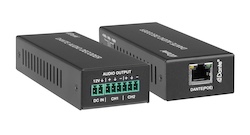
Specifying an HDMI Distribution System: Splitters, Matrices, Scaling Switchers and Dante Audio Short answer: Choose the device by the shape of the…
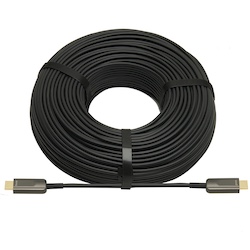
If your source is component video (the red, green, and blue RCA connectors), you need a component to HDMI converter. If it is composite video (a…
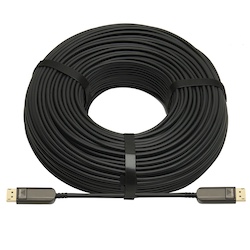
DisplayPort beats HDMI for high-refresh PC monitors and daisy-chaining; HDMI is the pick for TVs, consoles and projectors, and USB-C for laptops.
KanexPro sells direct to dealers, resellers, installers and integrators, and through distribution. Whichever way you buy, the same engineers answer the phone.
The trade store: your own account, live stock, reordering, and a first look at new products.
Go to the trade store →Distribution and authorised resellers across the US and beyond.
See where to buy →Design help on extenders, matrix and AV over IP before you spec it.
Ask an engineer →