HDMI Distribution System Design: Splitters, Matrices, Scalers and Dante
Specifying an HDMI Distribution System: Splitters, Matrices, Scaling Switchers and Dante Audio Short answer: Choose the device by the shape of the…



HDMI cables are common in most modern households and workplaces. They are critical in transmitting audio and video from a device to a display. This is necessary to do presentations, play video games, watch movies, or conduct video conferences. Because of the need for HDMI cables, people believe a number of things about HDMI cables that aren’t so true. Below, you will find how we are debunking common HDMI cable myths.
As with everything, there are tall tales that people tell and then others retell. Consider the top myths about HDMI cables.
One of the most common myths is that there are hundreds of different types of HDMI cables. This is often a sales ploy to get you to think that you need a number of different calves. You don’t. There are only four major types of HDMI cables, including standard speed, standard speed with ethernet, high speed, and high speed with ethernet. Standard speed supports a resolution of 1080i, and high-speed HDMI cables support 1080p and higher. As far as the ethernet feature, you only need it if your equipment requires ethernet.
This is a common myth that gets people to spend more than they need to on an HDMI cable. The price of your HDMI cable does not equate to the quality. Oftentimes, you are paying for the brand, which is of no benefit to you. Choose an HDMI cable from a trusted brand that makes their HDMI cables with quality materials. This is the only thing that matters as they all are quite similar. Quality materials mean that your HDMI cable will last. Longevity is key when it comes to cutting costs, so avoid purchasing an overpriced HDMI cable.
HDMI cables are durable and long-lasting if you take care of them. The signal they carry doesn’t degrade over time like analog signals. In fact, you generally don’t have to replace them unless there is physical damage. This usually includes fraying or exposed wires. This type of damage can be hazardous, so you should replace them as soon as possible.
Gold plating does not significantly improve or impact the performance of an HDMI cable. Gold is a good conductor, and it can help prevent corrosion. However, the conductivity benefits between gold and other metals are negligible. This is especially true for HDMI cables that are short. While you can purchase the gold-plated cables, you may be overpaying for something that doesn’t offer any added benefits.
Excessive lengths can potentially lead to signal degradation. However, most home or office setups are not impacted by this. Cables that are 50 feet or below are standard for most setups. At this length, there aren’t any issues with signal quality. The only factors that matter when it comes to signal quality are the quality and build of the cables. This is why it is key to purchase your HDMI cables from a credible and reputable company. Contact Kanex Pro for your cable needs, as they offer high-quality products made from the best materials.
Many people think that expensive cables provide more than average or low-cost HDMI cables. This is not the case. You will not get more channels, better signal, or any other feature by paying more for your HDMI cables. The quality of the materials is the most important factor when it comes to HDMI quality. If you are concerned about quality, be sure the HDMI cable is certified.
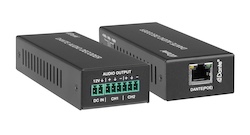
Specifying an HDMI Distribution System: Splitters, Matrices, Scaling Switchers and Dante Audio Short answer: Choose the device by the shape of the…
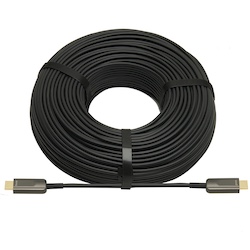
If your source is component video (the red, green, and blue RCA connectors), you need a component to HDMI converter. If it is composite video (a…
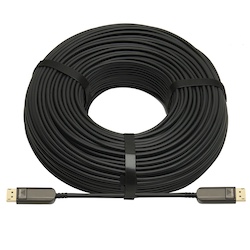
DisplayPort beats HDMI for high-refresh PC monitors and daisy-chaining; HDMI is the pick for TVs, consoles and projectors, and USB-C for laptops.
KanexPro sells direct to dealers, resellers, installers and integrators, and through distribution. Whichever way you buy, the same engineers answer the phone.
The trade store: your own account, live stock, reordering, and a first look at new products.
Go to the trade store →Distribution and authorised resellers across the US and beyond.
See where to buy →Design help on extenders, matrix and AV over IP before you spec it.
Ask an engineer →