Replace the Fixed HDMI Matrix Switcher with 10G AV over IP
A fixed HDMI matrix switcher locks a job to its port count. Uncompressed 10G AV over IP routes the same way with zero-frame latency and room to grow.



Walk into any modern hospital and you'll immediately notice something beyond the doctors, nurses, and medical equipment information is constantly moving.
A doctor reviews MRI scans in one room while consulting with a specialist hundreds of miles away. A nurse receives an emergency alert instantly on a digital display. Visitors use interactive wayfinding screens to locate patient rooms. Hospital administrators monitor multiple security feeds from a centralized command center.
Behind all of this is something many people never think about: professional Audio Visual (AV) technology.
Healthcare has evolved rapidly over the past decade, and hospitals are expected to provide faster care, better patient experiences, stronger security, and seamless communication. Traditional communication methods simply aren't enough anymore.
That's why hospitals across the world are investing in modern AV solutions integrated technologies that connect people, information, and spaces in real time.
Whether it's digital signage, video conferencing, matrix switching, AV over IP, wireless collaboration, or centralized control systems, AV technology has become one of the foundations of today's smart hospitals.
In this guide, we'll explore how AV solutions are transforming healthcare, the technologies hospitals are adopting in 2026, and how KanexPro helps healthcare organizations build reliable, scalable, and future-ready AV infrastructures.
Hospital AV solutions combine professional audio, video, display, and communication technologies into one integrated ecosystem.
Instead of operating multiple standalone devices, hospitals use centralized AV systems to distribute information efficiently across departments.
These solutions typically include:
• Digital signage
• Matrix switchers
• AV over IP systems
• HDBaseT extenders
• Video conferencing solutions
• Interactive displays
• Video walls
• Public announcement systems
• Wireless presentation systems
• Control room displays
• Signal management solutions
Together, these technologies improve communication, reduce operational complexity, and support better patient care.
Hospitals today are far more complex than they were even five years ago.
Healthcare organizations now manage:
• Hybrid consultations
• Telemedicine
• AI-assisted diagnostics
• Electronic health records
• Large campuses
• Multiple specialist departments
• Digital imaging
• Emergency response systems
1. Digital Signage for Better Communication
Printed notices quickly become outdated.
Digital signage allows hospitals to update information instantly across hundreds of displays.
Common applications include:
• Visitor directions
• Appointment schedules
• Department information
• Waiting times
• Health awareness campaigns
• Emergency notifications
• Hospital announcements
Digital signage also reduces confusion for visitors while creating a more modern patient experience.
2. Interactive Wayfinding Systems
Large hospitals can be overwhelming.
Patients often spend valuable time searching for departments, laboratories, pharmacies, or specialist clinics.
Interactive touch-screen directories help visitors navigate the facility with ease.
Benefits include:
• Reduced missed appointments
• Less staff interruption
• Better visitor experience
• Faster navigation
• Improved accessibility
3. Patient Room Entertainment Systems
Modern hospitals recognize that patient comfort contributes to recovery.
Today's patient rooms often feature smart displays that provide:
• Television
• Educational videos
• Meal ordering
• Hospital announcements
• Family communication
• Internet access
• Treatment information
Instead of being passive televisions, these displays become interactive communication hubs.
4. Telemedicine and Video Conferencing
Virtual healthcare is now part of everyday medical practice.
Hospitals regularly connect patients with specialists located across different cities—or even countries.
Professional AV systems enable:
• Remote consultations
• Specialist collaboration
• Medical education
• Virtual family meetings
• Healthcare conferences
High-quality cameras, microphones, and displays ensure consultations remain clear, professional, and secure.
5. Operating Room Visualization
Operating rooms demand exceptional reliability.
Surgeons frequently need access to:
• Live surgical cameras
• MRI scans
• CT scans
• Patient records
• Endoscopy feeds
Professional AV systems distribute multiple video sources across surgical displays with minimal latency.
Even milliseconds matter during critical procedures.
6. Emergency Operations Centers
Hospitals must be prepared for emergencies ranging from natural disasters to large-scale medical incidents.
Command centers use:
• Video walls
• Security camera feeds
• Live dashboards
• Patient management systems
• Emergency notifications
Integrated AV technology allows administrators to monitor every critical system from one centralized location.
7. Conference Rooms and Medical Training
Healthcare is constantly evolving.
Doctors and nurses require ongoing education and collaboration.
Modern conference rooms support:
• Hybrid meetings
• Medical training
• Live demonstrations
• Guest speakers
• Research presentations
Wireless presentation systems eliminate cable clutter while making collaboration easier.
Healthcare facilities constantly evolve.
Departments expand.
Buildings are renovated.
New technologies emerge.
Fixed AV systems often require complete replacement when requirements change.
Modular AV platforms solve this problem.
Instead of replacing the entire system, hospitals simply add new input or output cards as needed.
This provides:
• Better scalability
• Lower upgrade costs
• Less downtime
• Longer equipment lifespan
• Easier maintenance
Every hospital has different communication needs.
A community healthcare center doesn't require the same infrastructure as a large teaching hospital.
That's why flexibility matters.
KanexPro designs professional AV solutions that allow healthcare facilities to build systems based on their current needs while remaining ready for future expansion.
KanexPro's portfolio includes:
• HDMI Matrix Switchers
• Modular Matrix Switchers
• AV over IP Solutions
• HDBaseT Extenders
• Video Distribution Systems
• Signal Management Products
• Presentation Switchers
• Control Solutions
Hospitals require equipment that performs reliably every day.
KanexPro products are engineered for professional environments where uptime is critical.
Healthcare integrators appreciate KanexPro because of its:
• Professional-grade reliability
• Scalable product portfolio
• Enterprise AV performance
• Easy system integration
• Long-distance signal distribution
• Flexible deployment options
• Commercial installation support
Whether designing a new medical campus or upgrading an existing hospital, KanexPro solutions help simplify complex AV installations.
Healthcare technology continues evolving rapidly.
Over the next several years, hospitals will increasingly adopt:
• AI-assisted communication
• Smart patient rooms
• Cloud AV management
• Remote diagnostics
• Interactive digital signage
• Wireless collaboration
• AV over IP infrastructure
• Higher-resolution medical displays
Hospitals investing in scalable AV systems today will be much better positioned to adopt these innovations tomorrow.
Q1. What are AV solutions in hospitals?
Hospital AV solutions include digital signage, video conferencing, matrix switching, audio systems, display technologies, and communication platforms that improve healthcare operations and patient experiences
Q2. Why is digital signage important in hospitals?
Digital signage improves navigation, displays real-time announcements, shares appointment information, reduces visitor confusion, and enhances communication throughout healthcare facilities.
Q3. What role do matrix switchers play in healthcare?
Matrix switchers distribute audio and video signals from multiple sources to multiple displays, allowing hospitals to manage medical imaging, presentations, surveillance, and information systems efficiently.
Q4. Can AV systems support telemedicine?
Yes. Professional AV systems provide high-quality cameras, displays, microphones, and collaboration tools that support secure remote consultations and virtual healthcare services.
Q5. Why are modular AV systems becoming popular?
Modular systems allow hospitals to expand or upgrade their AV infrastructure without replacing the entire installation, reducing costs and improving long-term flexibility.
Q6. Why do hospitals choose KanexPro?
KanexPro provides professional AV solutions designed for commercial environments, including healthcare facilities. Its matrix switchers, AV over IP products, HDBaseT extenders, presentation systems, and signal management solutions help hospitals build reliable, scalable, and future-ready communication infrastructures.
Q7. Are KanexPro products suitable for large healthcare facilities?
Yes. KanexPro offers enterprise-grade AV solutions that can scale from small clinics to large hospital campuses, supporting mission-critical communication, centralized video distribution, and future expansion.
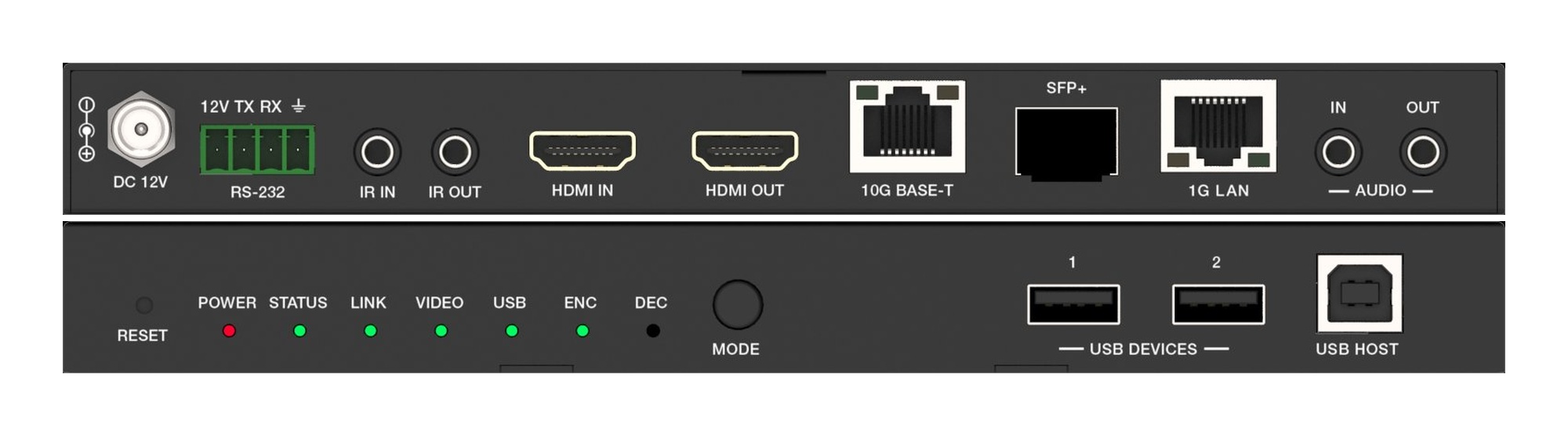
A fixed HDMI matrix switcher locks a job to its port count. Uncompressed 10G AV over IP routes the same way with zero-frame latency and room to grow.
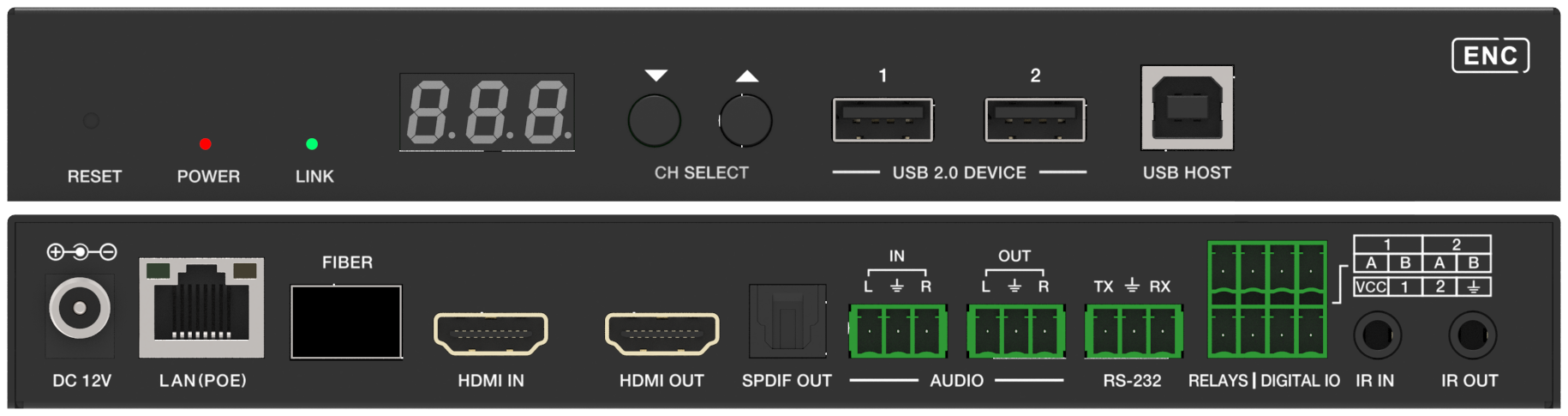
The pitch has become reflexive: move video onto the network, and the first line item is a parallel 10G switching fabric to carry it. That advice made…
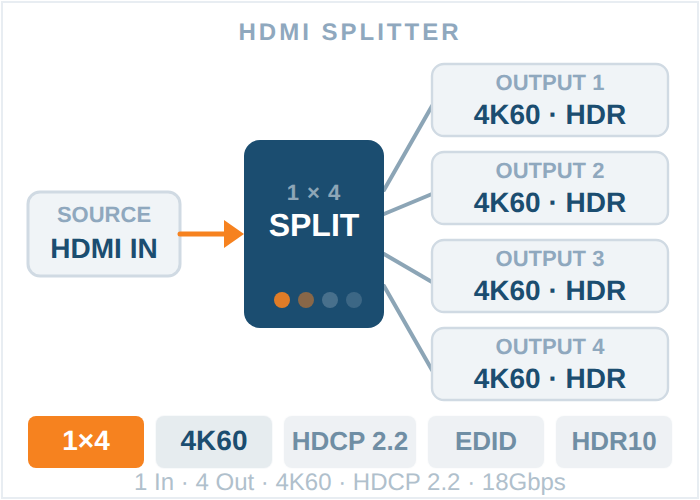
A 1x4 HDMI splitter takes one HDMI source and mirrors it to four displays at once. A 1x8 HDMI splitter does the same thing across eight displays…
KanexPro sells direct to dealers, resellers, installers and integrators, and through distribution. Whichever way you buy, the same engineers answer the phone.
The trade store: your own account, live stock, reordering, and a first look at new products.
Go to the trade store →Distribution and authorised resellers across the US and beyond.
See where to buy →Design help on extenders, matrix and AV over IP before you spec it.
Ask an engineer →